
Description
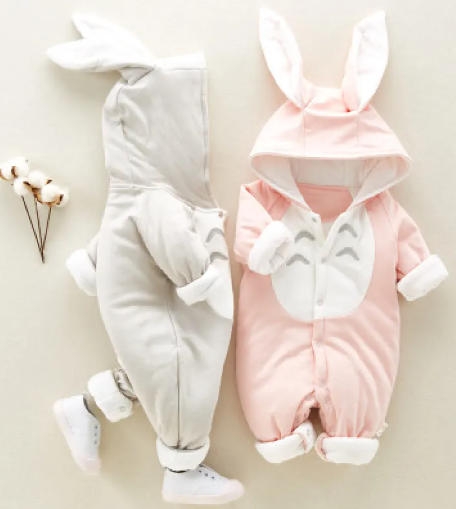
Baby clothing essentials are all about comfort, softness, and practicality rather than filling the wardrobe with too many outfits. Newborns need breathable fabrics, easy-to-change clothing, and enough daily basics to handle frequent outfit changes from feeding, naps, and diaper accidents. Experts commonly recommend keeping around 6–8 bodysuits, 6–8 sleepers, a few cardigans, hats, socks, and bibs as the core starter wardrobe. Soft cotton fabrics and front-opening designs make dressing much easier for both parents and babies.
Buying Guide
1. Prioritize Soft Fabrics
Choose:
- 100% cotton
- Organic cotton
- Bamboo blends
- Breathable jersey fabrics
These are gentle on delicate newborn skin and help prevent irritation.
2. Focus on Easy Dressing
Look for:
- Snap-button bodysuits
- Front-open rompers
- Zip-up sleepers
- Stretchable necklines
These make diaper changes faster and reduce baby discomfort.
3. Buy by Season
- Summer: lightweight bodysuits and short sleeves
- Winter: full-sleeve rompers, sweaters, caps, and quilted layers
- Travel: jackets and stroller suits
4. Don’t Overbuy Newborn Size
Babies grow quickly, so mix:
- Newborn size
- 0–3 months
- 3–6 months
This prevents unused clothing waste.
Essential Clothing Checklist
Daily Wear
- Bodysuits / Onesies
- Vests
- Sleepsuits / Sleepers
- Rompers
- Stretchy pants
- Leggings
Warmth Essentials
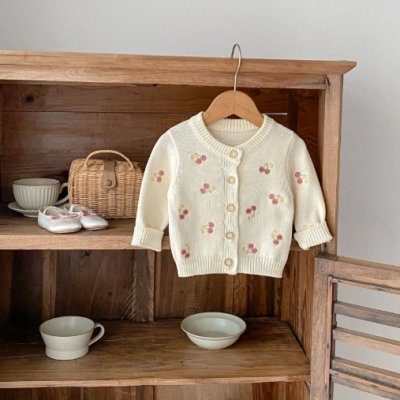
- Cardigans
- Sweaters
- Cotton hats
- Socks
- Booties
- Mittens
Feeding & Care
- Bibs
- Burp cloths
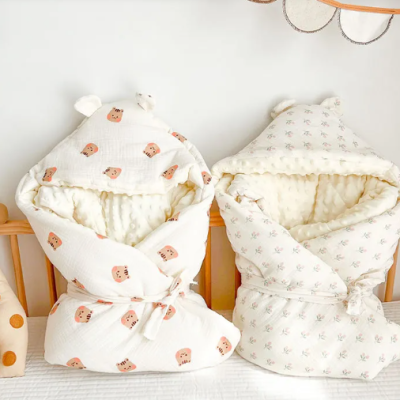
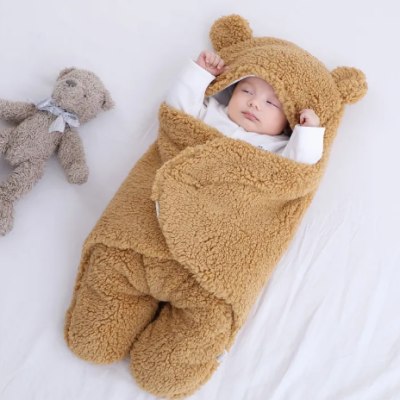
- Swaddle wraps
- Sleeping bags
Most parents report using sleepers and onesies the most during the first months. Reddit parents often mention babies “basically lived in footed sleepers” during the newborn stage.
Style Tips
Keep It Simple
Simple basics are more useful than heavy designer outfits.
Choose Neutral Colors
Neutral shades make mixing and matching easier.
Layer Smartly
Use bodysuits as a base and add cardigans or jackets when needed.
Buy Cute Outfits Sparingly
1–2 special outfits are enough for photos and outings.
Match Accessories
Coordinated caps, mittens, and socks create a polished baby wardrobe look.
Who This Collection Is For
This collection is ideal for:
- Newborn babies
- Infants up to 12 months
- First-time parents
- Baby shower gift buyers
- Parents creating a hospital bag checklist
- Families preparing for winter newborn care
- Minimalist parents who want practical essentials only
Best Occasions to Use
Everyday Home Wear
Perfect for naps, feeding time, and regular indoor comfort.
Hospital Newborn Arrival
Essential for first baby outfits and discharge clothing.
Outdoor Walks
Layered clothing helps protect babies during stroller trips.
Family Visits
Soft rompers and sleepers keep babies comfortable while looking adorable.
Baby Photoshoots
Cute coordinated outfits create memorable newborn photos.
FAQs
How many clothes does a newborn really need?
Usually 6–8 bodysuits, 6–8 sleepers, 2–3 hats, socks, mittens, and bibs are enough to start.
Are expensive baby clothes necessary?
No, comfort and fabric quality matter far more than brand names.
Should I buy newborn size only?
No, it’s better to mix newborn and 0–3 month sizes because babies grow fast.
Are sleepers better than separate tops and pants?
Yes, especially for newborns, because they simplify diaper changes and keep babies warmer.
Which fabric is safest?
Soft breathable cotton is usually the safest and most comfortable option.
Final Thoughts
Baby clothing essentials should focus on comfort, convenience, and safety rather than quantity. A small collection of soft bodysuits, sleepers, socks, hats, and layering pieces is often all parents truly need in the beginning. By choosing breathable fabrics, practical designs, and season-appropriate layers, parents can create a stress-free baby wardrobe that supports better sleep, easier care, and happier everyday routines.
Reviews
There are no reviews yet.